


Saving every drop: Inside a dairy farm's approach to water use


In a region where drought and water shortages are an ongoing concern, every drop matters.
That’s especially true on dairy farms, where water plays a role in nearly every part of the operation—but is also carefully managed, reused and stretched as far as possible.
Water is one of the most essential—and limited—resources in agriculture, especially across the Western U.S., where farmers depend on it every day. From caring for animals to growing feed, it touches nearly every part of a dairy operation.
But it’s not simply used—it’s carefully managed, reused and continuously optimized.
Doing more with less water
Science is helping farms make significant strides in efficiency. Today, it takes 31% less water, 21% less land and 21% less manure to produce a gallon of milk than it did just a decade ago. Part of this progress comes from improving how water is reused.
According to U.S. Dairy, many dairies reuse water multiple times, often with a final stop at the field where it helps grow crops. Dairy farmers understand how critical water is—not just to their farms, but to the future of agriculture in the arid West—and are continuing to find new ways to conserve and manage it.
One local dairyman leading the way
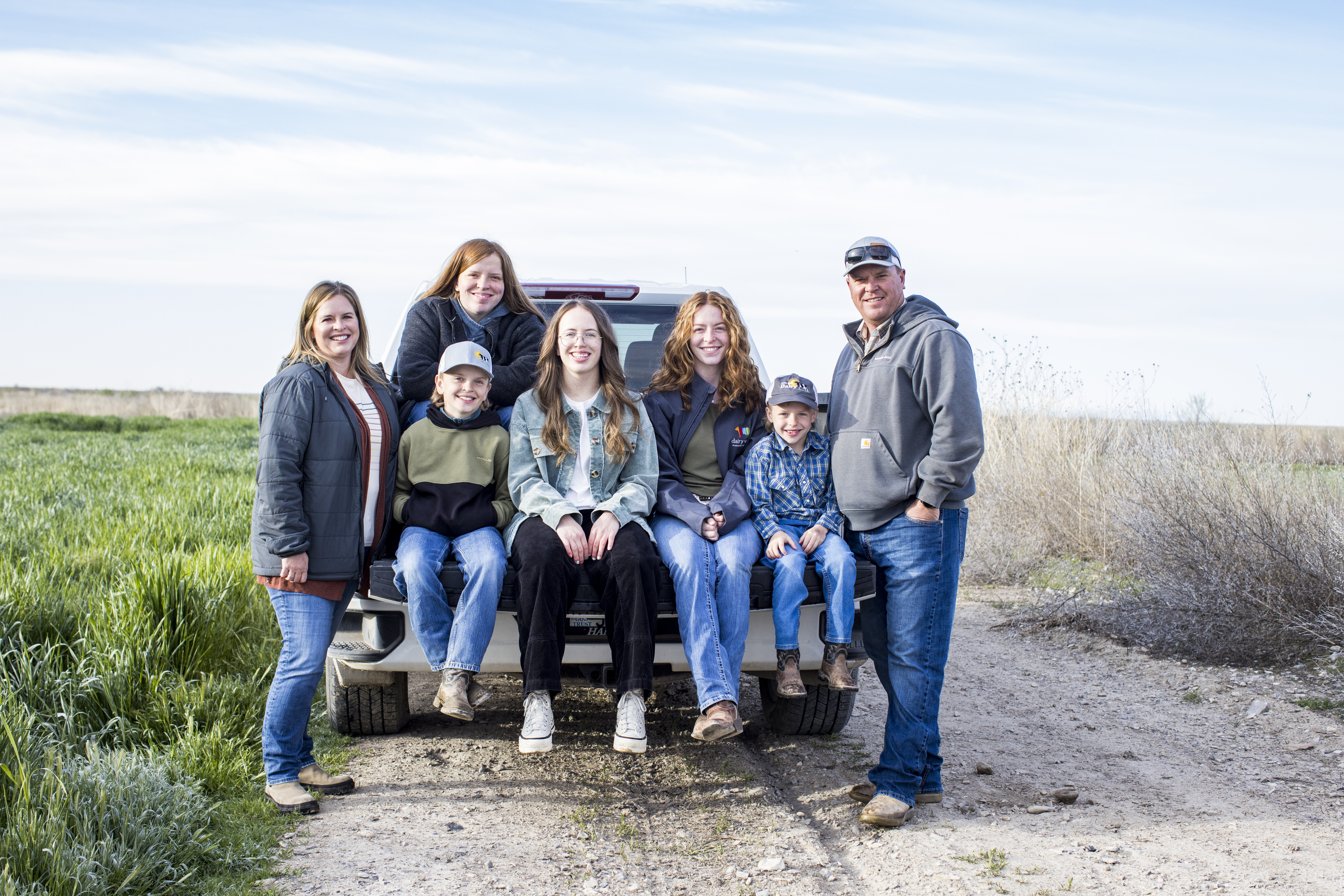
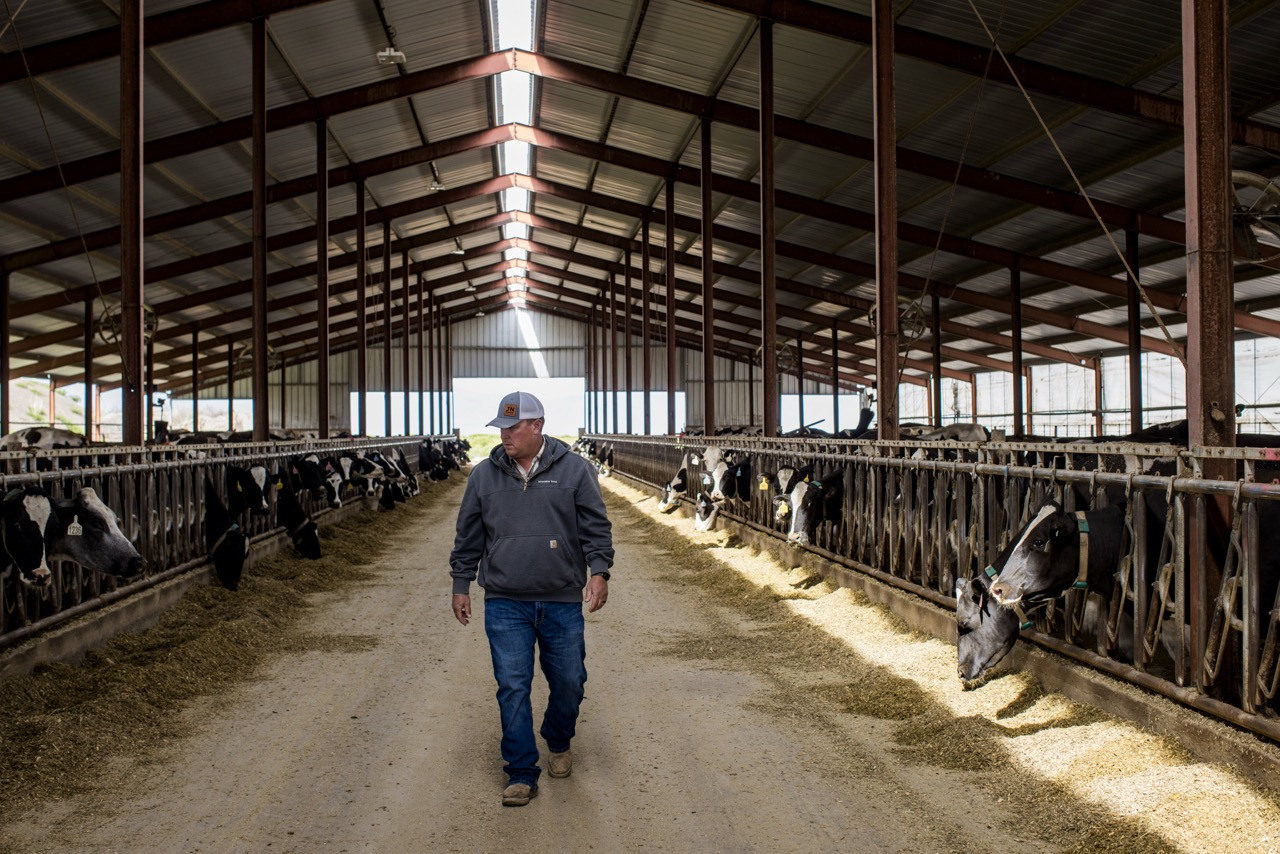
Mitch Hancock owns a second-generation family dairy in Corinne, Utah. With views of Box Elder Peak and the Wasatch Range to one side and the Great Salt Lake to the other, Hancock keeps his environment top of mind as he runs his farm each day.
“Being close to the Great Salt Lake adds another level of responsibility,” Hancock says. “We see firsthand how important water is, and that drives us to keep improving how we use it.”
“Water on our farm doesn’t just get used once,” Hancock says. For example, water that is used to cool milk is collected and used to hydrate animals, clean equipment and maintain facilities. From there, it can be reused again to flush pens before ultimately being stored and used to support crop production.
In addition to reusing water multiple times, Hancock and his team are continuously working to improve efficiency across their operation. This includes upgrading infrastructure, improving water delivery systems and partnering with researchers to refine irrigation practices. As a result, they’ve begun piping open ditches, monitoring water flow and exploring new ways to store water.
Striving for good stewardship of the earth
Farming is constantly changing, and farmers must be strong problem-solvers. In the West, where conditions can vary significantly from year to year, adaptability is essential. New tools like data tracking, automated systems and improved water collection methods are helping dairy farmers produce more while using fewer resources.
Farmers like Hancock know that incorporating new technologies, using better data and making smarter decisions over time can make a meaningful difference.
“We’re constantly looking for ways to improve the stewardship we’ve been given,” Hancock says. “That includes how we manage our water, our soil and how we care for our animals every day.”
Learn about sustainability from Dairy West
There’s no finish line when it comes to water stewardship. Improving irrigation systems or expanding water storage requires investment, and environmental conditions don’t always cooperate. But dairy farmers remain committed to continuous improvement—finding ways to make every drop go further.
To learn more about sustainability and supporting your local dairy industry, visit dairywest.com/sustainability.
